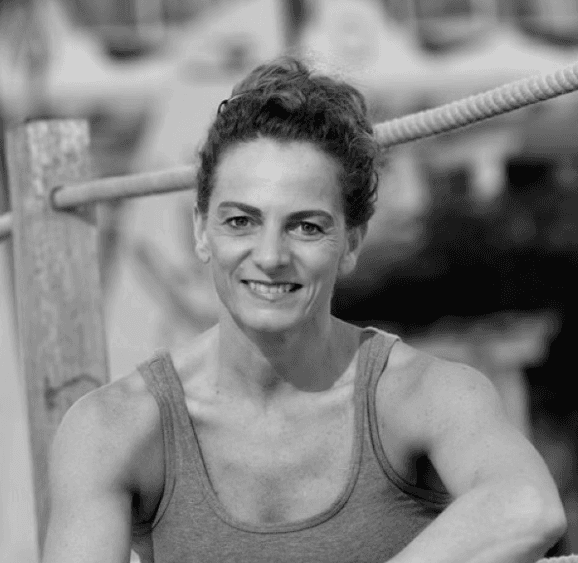
Meet Dr. Carla DiGirolamo, M.D.
“You don't need to suffer with these symptoms in silence. Hormone therapy affords us a very safe and valuable tool to help women improve their quality of life. And in many cases, even improve their health.”
WHOLE-BODY EDUCATION:
- Residency, Obstetrics and Gynecology at Brown University Medical School/Women and Infants’ Hospital
- Fellowship, Reproductive Endocrinology at the Massachusetts General Hospital at Harvard Medical School
- PhD in Molecular Pathobiology, MCP/Hahnemann University
- Menopause Society Certified Practitioner
- CrossFit Level 1 Trainer and Certified Nutrition Coach
CURRENT POSITION:
- Private telehealth specialty practice
- Endocrine Consultant for Wild Health
- Consultant and Director of Women’s Health at Eternal
HOME BASE: Pompano Beach, Florida
REQUIRED READING:
- How to exercise during menopause
- NY Times
- Hard conversations in the menopause transition: hormones, testing, GLP-1s and what’s ideal now
- Hit Play Not Pause podcast
- The cold-water way women are thriving in menopause
- Triathlete
- Is your period trying to tell you something? What cycle changes really mean
- blog
Website: https://www.drcarlad.com/
Social media links:
- Facebook: https://www.facebook.com/carla.digirolamo.14
- Instagram: https://www.instagram.com/dr_carla_d/
Dr. Carla DiGirolamo is a double board-certified obstetrician/gynecologist and reproductive endocrinologist with over 18 years of experience as a fertility specialist and, more recently, as a Menopause Society Certified Practitioner.
After retiring from her partnership at Boston IVF in 2024, Dr. DiGirolamo founded a solo telehealth specialty consultation practice focused on optimizing physical performance in women in high-performance professions and female athletes of all ages.
She has been featured in Boston Magazine’s Top Doctors list every year from 2019 through 2025, and has appeared on multiple podcasts and as a speaker at numerous events. Active in the fitness industry her entire life, she is a credentialed CrossFit Level 1 Trainer and Certified Nutrition Coach.
We’re thrilled to have Dr. DiGirolamo guide our new hormone therapy (HT) program for women, Optimize It. Here, she offers insight into what patients can expect from the experience.
What overarching message do you want patients to know about hormone therapy (HT)?
I think the first thing that women need to know is that they don't need to suffer with these symptoms in silence.
Many women have done this for years. Some didn't want to come forward because of the stigma attached to menopause. Or maybe they didn't identify their symptoms as being related to perimenopause or menopause, because the experience is so different across the board.
I always want to promote women empowering themselves with knowledge. There is so much more attention being paid to this stage of life nowadays—some good information, some not so good information. But I think what people can glean consistently from what's out there is what the experience is like: it can include depression, anxiety, hot flashes, sleep disturbance, sexual dysfunction, joint pain, musculoskeletal pain, urinary symptoms—so many things.
So the first thing is knowing that these symptoms could be related to this change of life. Then, that there is help out there, and they shouldn't suffer. Hormone therapy affords us a very safe and valuable tool to use to help women improve their quality of life. And in many cases, even improve their health.
How transformative can HT be for patients who have been struggling with those symptoms?
I hear very frequently, “This has changed my life.”
Hot flashes are probably the most common and debilitating symptom that women experience during this transition—if you read the statistics, over 80% of women will experience hot flashes. And because they often occur at night, hot flashes can disrupt sleep. And when our sleep is disrupted, that trickles down to everything else we do during the day, and it affects our overall health. Poor sleep has long-term adverse health effects. When 80% of women are experiencing hot flashes, this is a real problem.
But the great news is that estrogen and progesterone hormone therapy is incredibly effective for treating this symptom. Women find relief fairly quickly—usually within six to eight weeks. Sleep gets better. And when sleep gets better, mood gets better. Quality of life improves. HT can be life-changing for many women who are struggling.
Is HT a lifelong treatment? Or is there a point when you’re good and done?
Menopause is not an estrogen deficiency situation. Nature is doing what nature does—the hormones are doing what they're doing. The hormone therapy that we give does not recreate the hormonal environment of youth. If we did, we'd be having menstrual cycles in our 50s!
What we're doing is using hormones to treat specific symptoms—to respond to the effects of the hormonal changes during this stage of life, so that we can live a healthier life.
Not every woman has symptoms and therefore may not need hormone therapy. For the many women who do, we use HT to treat these symptoms. Many years ago, there were set timeframes for hormone therapy use advised by the Menopause Societies. However, we have learned so much about the safety of these therapies and the different populations of women who benefit from HT that in 2022, the Menopause Society eliminated these timeframes. Now, the research supports continuing hormone therapy as long as the benefits of therapy outweigh the risks. Consequently, many healthy women are safely taking HT into their 60s.
Are there any specific lifestyle considerations HT patients should be aware of?
First, let’s put symptoms aside and talk about what is happening physically during perimenopause and menopause.
When our ovaries are dialing down estrogen production, periods become irregular, and we head into that time of our lives where periods will stop. There is a decline in muscle mass, strength and power, and in bone density. This is your musculoskeletal system—what keeps you upright and walking around and able to function. And we see a decline because estrogen, progesterone and other reproductive hormones are changing. We’re also gaining centrally-located visceral fat.
So we have symptoms, and we have physical effects. This is where lifestyle comes in. Diet and exercise are not treatments for symptoms. They treat the physical effects of perimenopause and menopause.
So weight training is very important for women in this stage of life—it has never been more important. We recommend that people include weight training three to four times a week in their regular exercise programs.
Estrogen has a very protective effect on the heart. When menopause hits, we lose that protective effect and experience cardiovascular changes—our risk of cardiovascular disease starts to approach that of men's. So sprint interval training—like high intensity interval training—is very important for cardiovascular health.
Regular exercise helps with metabolic health and body composition, helps to prevent dementia, helps with libido, and helps with sleep. The primary reason we recommend lifestyle changes is to address the physical effects of the changes in this stage of life.
Anything to note about diet?
I treat a demographic of women who are very athletic. Something incredibly common among them is that they don't eat enough. They're gaining some adiposity [an accumulation of excess body fat] around their midsection, so then they eat less and train more.
And then you get into this energy imbalance, which can create a lot of inflammation and health problems like poor sleep, brain fog, joint pain, and difficulty recovering. So if hot flashes aren't keeping you up, then maybe you should start thinking, “Am I eating enough?” Because a lot of the symptoms of energy imbalance are similar to perimenopausal symptoms.
Make sure that you’re eating enough protein, since muscles and bones are made out of protein, and so they need blocks to rebuild after exercise. Fueling your workouts with enough protein and carbohydrates is very important for all women at this stage.
Lastly, this is not just a problem in athletic women. Busy schedules alone can lead to undereating and the negative effects I just mentioned. If a busy schedule results in going more than 6-8 hours without eating or only allowing 2 meals per day, this is likely resulting in a fueling imbalance.
What should patients be most aware of when starting HT for the first time?
A step before that is choosing the provider who is going to manage their hormone therapy.
Women need to know that they do not need to go to a fancy clinic and have compounded concoctions prescribed. The FDA-approved bioidentical hormones on the market are proven effective. Most insurance companies cover them, and they are safe because they've been studied, and there is consistency and oversight in their manufacturing.
Women don't need to go to a fancy clinic and pay all this money to get relief. They can go to their OBGYN or another practitioner who is skilled with menopausal women and can prescribe products that are very effective and are very safe.